London is home to nearly 200 museums ranging from well known venues such as the Natural History Museum and the British Museum to unusual museums that many local Londoners don’t even know about.
Whatever your hobbies or interests, chances are there’s a museum for you from textiles and cartoons to medicine and mail – there’s even a museum dedicated to sewing machines. Yes, there really are that many unusual museums in London!
Disclosure: This post may contain affiliate links. I have been or could be if you click on a link in this post compensated via a cash payment, gift or something else of value for writing this post. See our full disclosure policy for more details.
The most unusual museums in London
Over the years we’ve slowly made our way to most of London’s quirky museums and while we still have a few to tick off, we’re happy to share some of our favourites here.
One thing to note, the fantastically quirky and popular Pollock’s Toy Museum with its huge collection of old toys has had to move from its permanent address in Scala Street. During 2025 the museum worked with two venues on smaller-pop exhibitions showcasing a selection of their collection. They are still looking for new location.
Museum of Brands
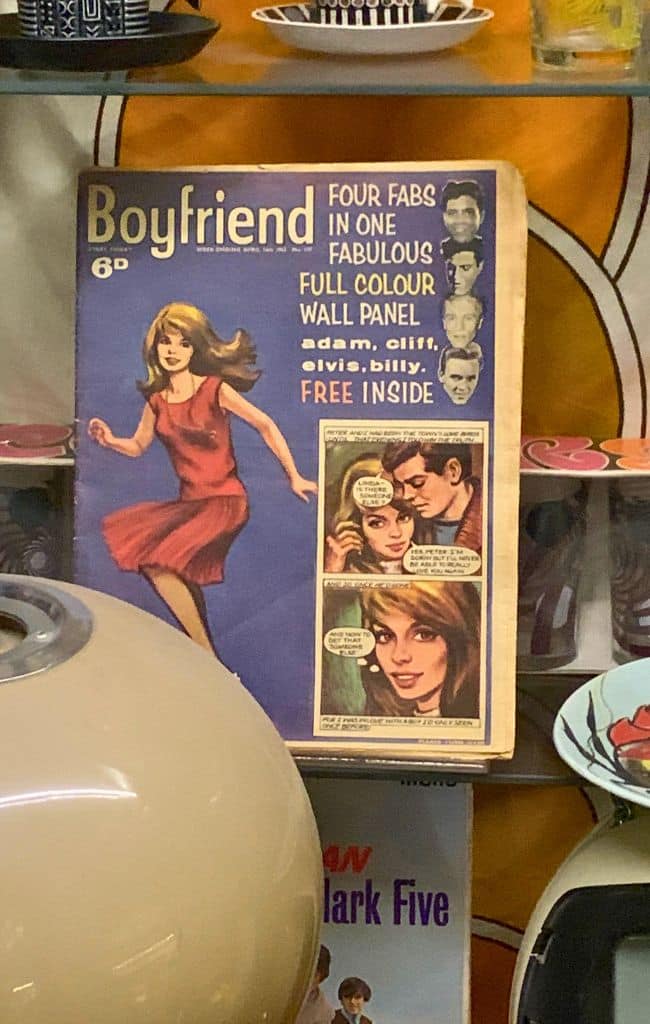
Located near Notting Hill, the London Museum of Brands tracks the history of consumer culture from Victorian times through to the present day. It’s one of my favourite unusual museums in London and one that I think is (sadly) often overlooked.
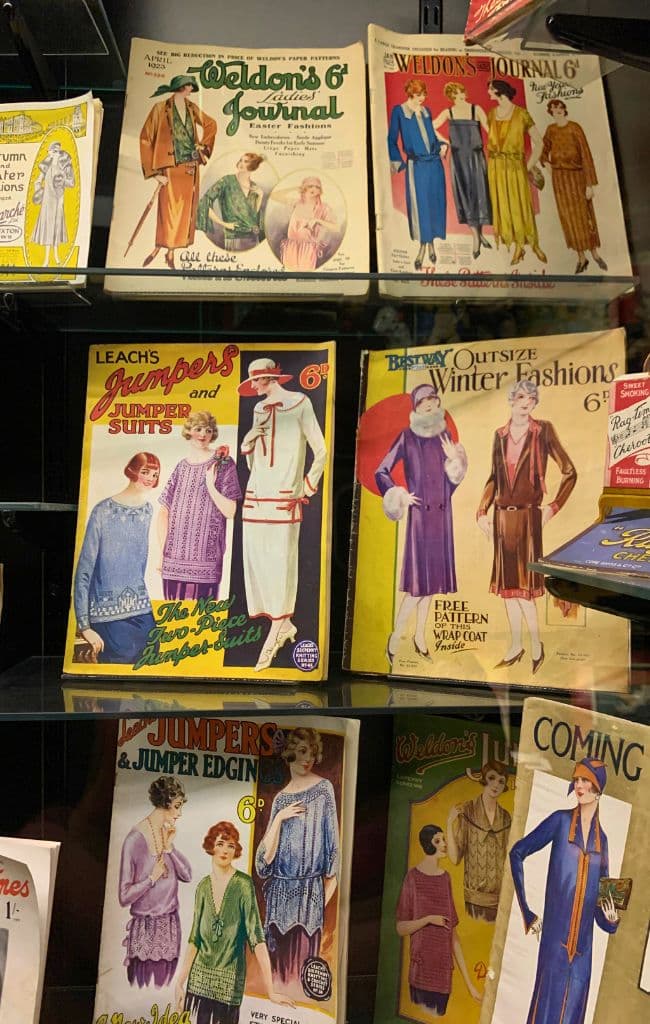
What started as a private collection by Robert Opie – who one day decided to save a packet of Munchies from a vending machine – has grown into a huge collection of wrappers, magazines, newspapers, song sheets, railway timetables, commemorative items and more from across the last 200 years.
Everything is displayed in museum’s Time Tunnel, starting in the Victorian era through to the Edwardian era, onto the Great War and through history until you get to the present day. Altogether it’s a fascinating look at social change, culture and lifestyle through British history.
The Fashion and Textile Museum
Anyone with a love of fashion should head to the Fashion and Textile Museum in Bermondsey. The museum was founded by flamboyant fashion designer Zandra Rhodes and is the only museum in the UK dedicated to showcasing contemporary fashion and textile design.
The museum hosts a range of temporary exhibitions covering a broad range of textiles and designers. Current and past exhibits have included the Fabric of Democracy (exploring printed propaganda textiles) and the textile designs of Andy Warhol.
Workshops, talks and events are regularly held here too. It’s an especially great option for teens in London.
The Fan Museum
Definitely one of the most unusual museums in London is this space dedicated to the history, culture and craft of the fan.
Located in Greenwich, the Fan Museum is housed in a pair of Grade II listed Georgian houses.
It was founded in 1991 by Dicky and Hélène Alexander – Hélène has spent her lifetime collecting fans and now has over 5,000 dating from the eleventh century to the present day. Additional fans have been subsequently been added to the collection making the museum home to the world’s largest collection of fans.
The permanent exhibition of this unique London museum explores fans through the ages covering 1,000 years of fan history and culture from flat vellum rectangles used during the Middle Ages through to ornate folding fans from the 18th century. Also on display are a rare Elizabethan-period fan and a Fabergé fan with gold work and enamelling.
Old Operating Theatre
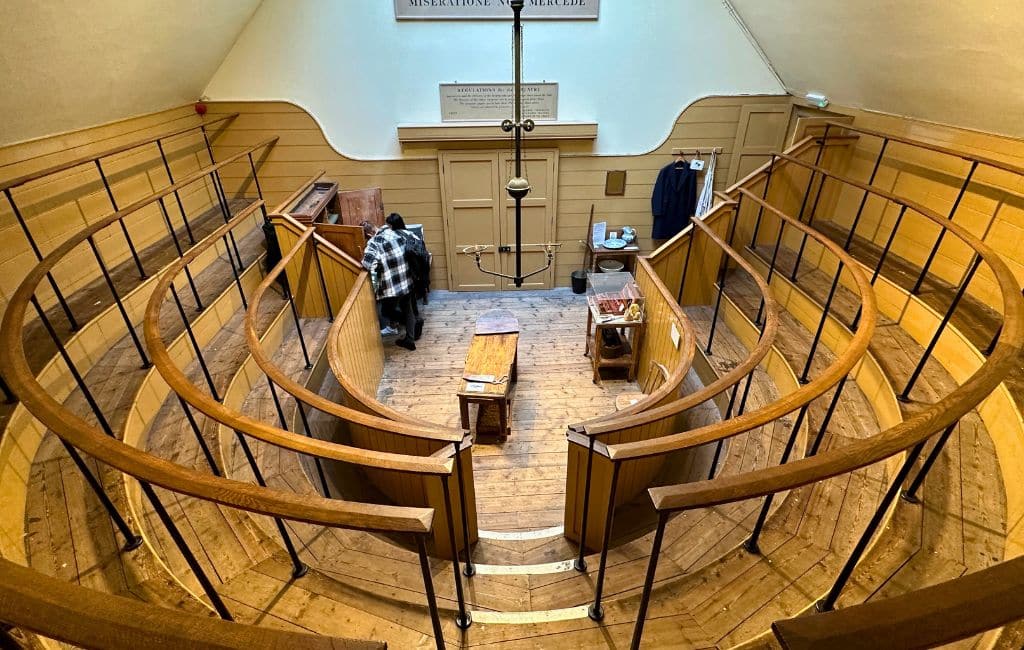
One of my personal favourites is the Old Operating Theatre, the oldest surviving operating theatre in Europe.
Dating back to 1822, and housed in the attic of St. Thomas Church, this is where the poorest of patients came for treatment. Pain relief was limited to alcohol, opiates and chloroform as well as a wooden cane to bite down on when the pain became too much!
The operating theatre was only rediscovered in 1956 and opened as a museum six years later.
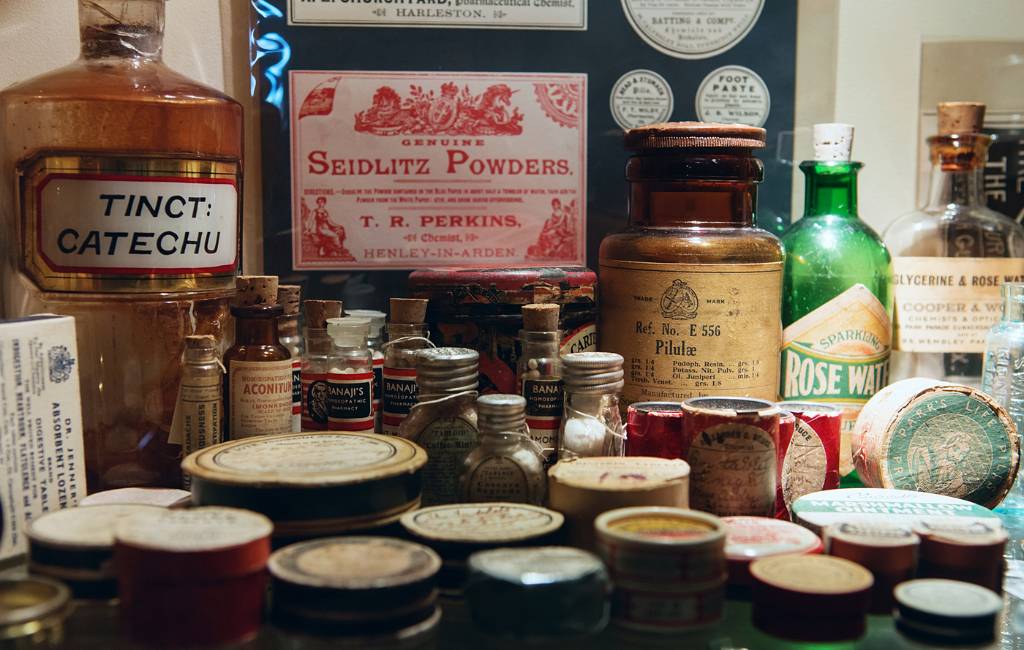
Today it’s a fascinating insight into medicine and medical procedures from time gone by. On display in the herb garret are herbs and old medicine packages, an impressive collection of scary-looking medical instruments used during procedures including cupping, bleeding and skull-driving, and information on the history of the church and hospital itself.
The London Sewing Machine Museum
This wonderfully weird London museum really is a hidden gem, dedicated to the history of the sewing machine.
Created by Ray Rushton, a collector of sewing machines, the museum houses some 700 machines, made for both domestic and industrial use. These aren’t any old sewing machines, however, among the collection is a machine gifted to Queen Victoria’s daughter and the very first machine by Singer.
Make sure to check ahead if you want to visit, however, as the museum is only open on the first Saturday of every month between 2pm – 5pm.
The London Sewing Machine Museum
The Cartoon Museum
Anyone with an interest in cartoons and animation should head straight for the Cartoon Museum, home to over 6,000 original cartoon and comic artwork as well as over 8,000 books and comics. The permanent collection includes wartime cartoons, modern satirists including Ralph Steadman and original Rupert Bear artwork from 1921.
The permanent exhibition is less suited to young children than the museum’s name might suggest but they hold regular temporary exhibitions and special events throughout the year, many of which are aimed at children.
Alexander Fleming Museum
This really is one of London’s more curious museums and probably best suited to anyone with an interest in modern medicine and / or anyone keen to visit as many of London’s unusual museums as possible!
Located in Paddington, it’s one of London’s smaller museums and is dedicated to the life and work of Scottish scientist Alexander Fleming, the man responsible for accidentally discovering penicillin.
On display in the Alexander Fleming Museum is a reconstruction of Sir Fleming’s laboratory, some of his personal belongings and a video explaining how a chance discovery after coming back from holiday led to a lifesaving drug that revolutionised the medical world and ushered in a new era of antibiotics
House of Dreams
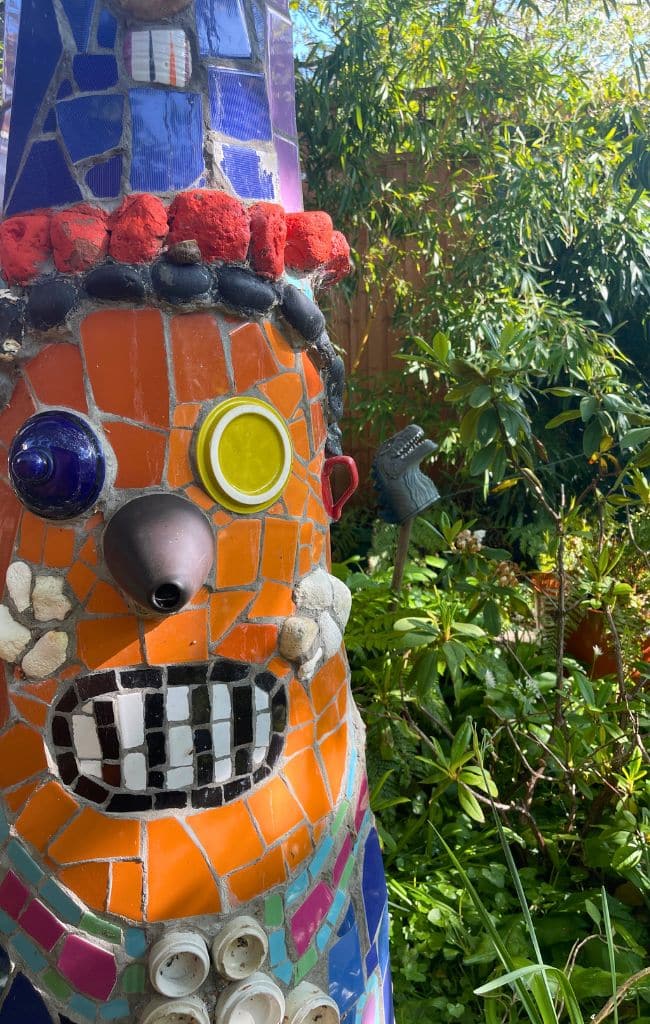
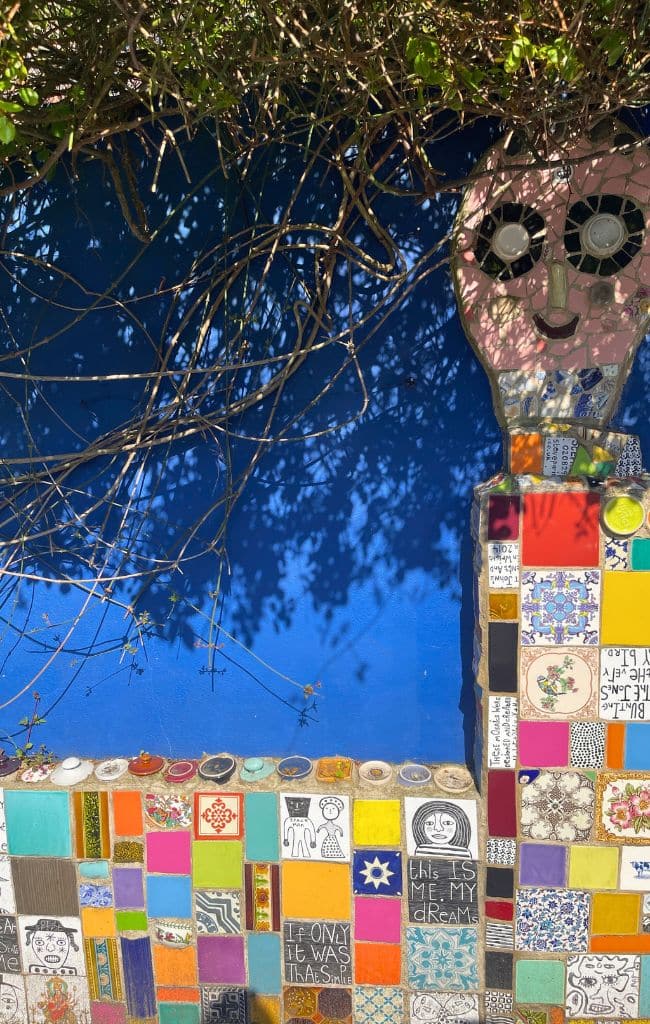
A serious contender for London’s top weird museum is the magical House of Dreams, created by artist and designer Stephen Wright. Located in East Dulwich, this terraced house has been transformed into the most fantastical of destinations, decorated top to bottom, inside and out, with mosaics and found objects.
You’ll spot dolls and teeth moulds, tinsel and family photographs, colourful plastic bottles and so much more embedded into the walls and floors, and on display among the items of furniture. Alongside the thousands of items are hand-written memory boards that recall important event in his life.
It’s extremely quirky and utterly unique. Make sure to book well in advance as the House of Dreams is only open to visitors on certain dates (roughly once a month).
Horniman Museum
Located in Forest Hill, south London, the Horniman Museum is truly one of the best museums to visit in London with kids.
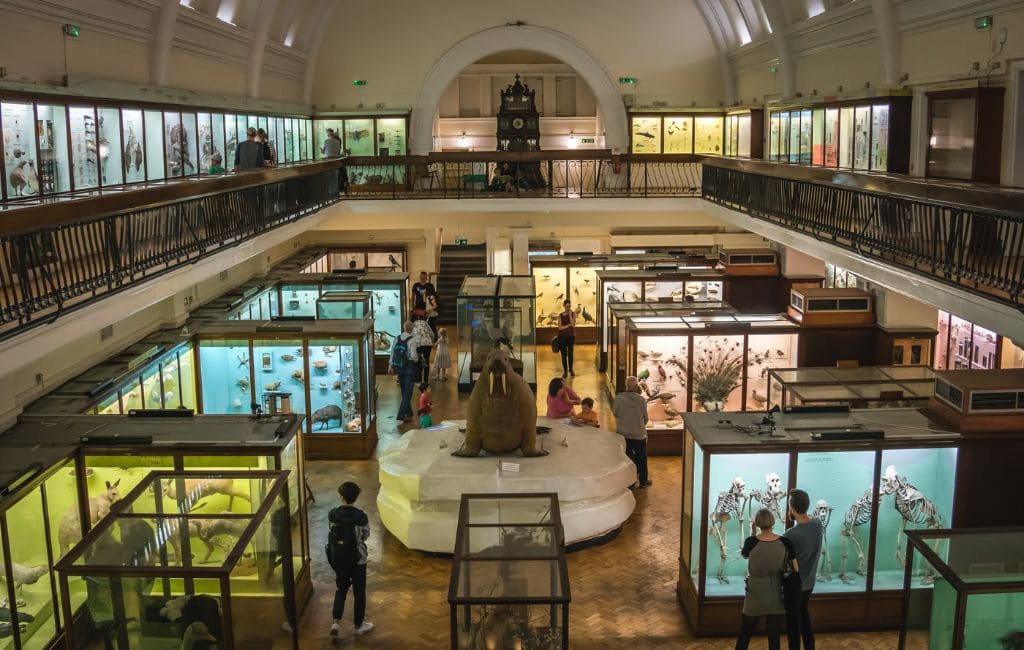
It’s well known for its collections of anthropology and musical instruments as well as its aquarium and butterfly house. But what it’s most famous for is its over-stuffed walrus on display in the main Natural History Gallery on the ground floor.
Apparently, when Victorian taxidermists first received the walrus they were confused by the strange-looking creature and its heavy folds of skin. Having never seen a living walrus, they thought the wrinkles should be smoothed out and so stuffed the skin until he was fit to burst.
As well as the permanent exhibitions, the Horniman regularly hosts temporary exhibitions on a whole range of subjects. Past exhibitions have examined the history of hair as well as our relationships to cats and dogs. The museum hosts excellent activities during the school holidays too, including their ever-popular Spring Fair.
London Canal Museum
Although London’s canal routes are no longer used to transport goods many are still navigable waterways with colourful canal boats used as homes or even businesses: one of the most unusual bookshops in London can be found on a barge and another canal boat has been transformed into a puppet theatre.
You can learn all about London’s canal networks at the London Canal Museum in Kings Cross, central London. Discover how they came to be built, learn about the lives of the workers and cargoes, and understand how the canals work.
Leighton House Museum
Another weird museum in London worth visiting is the Leighton House Museum. The former home of leading Victorian artist Sir Frederic Leighton, the house is nothing short of extraordinary. From the outside it looks like a very nice Kensington townhouse but inside the home is a “private palace of art”.
Inspired by this travels, Leighton transformed his home into a rich, opulent reflection of his life and work. The most famous room is the Arab Hall, created following a visit to Syria in 1873, and decorated using antique tiles from Damascus.
The museum has recently undergone an £8 million restoration project and has reopened with a new wing previously closed to visitors.
The Postal Museum
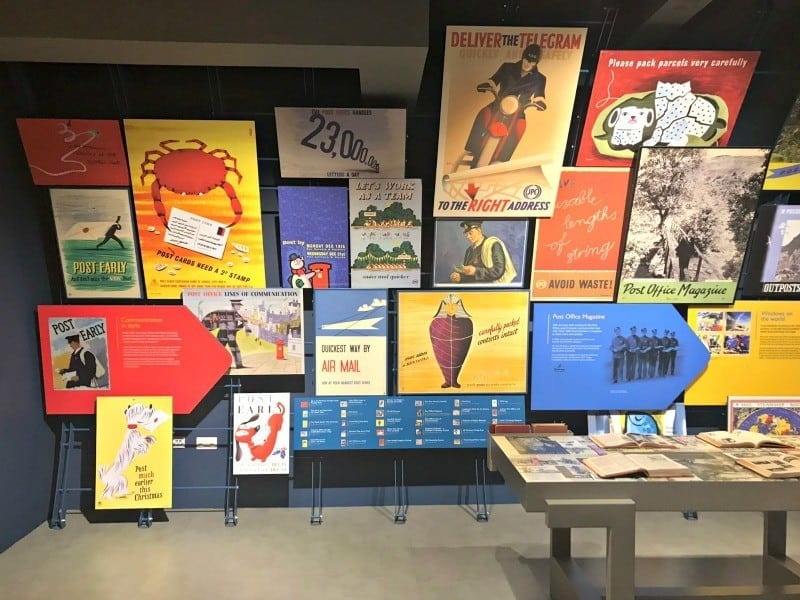
I love London’s Postal Museum, a fascinating space dedicated to the origins and history of the humble letter.
Fittingly, the museum is located across from the enormous Royal Mail depot in Kings Cross and is formed of three parts. The main museum follows the history of the postal service with lots of interactive elements, quirky facts and even the chance to dress up.
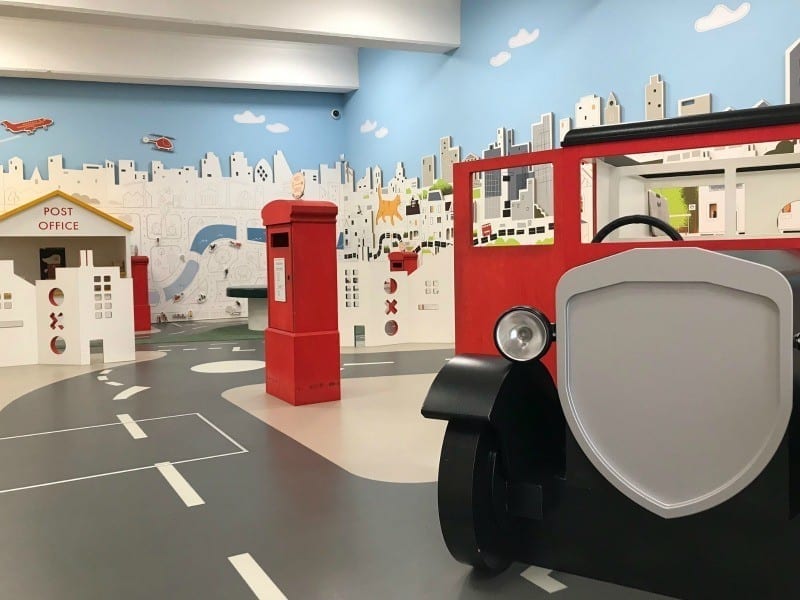
Then there’s Sorted! a brilliant play space where children under the age of 8 can play at working in the postal service; sorting mail, working at a post office, delivering letters and more.
The final section is the Mail Rail and this really is a highlight of this unique museum.
From the 1920s until its closure in 2003, trains transported letters and parcels 6.5miles across London along underground tunnels. The train line linked six sorting offices with mainline railway stations and delivered four million letters every day!
Today, two new trains have been adapted from the original design and take visitors on a 15 minute trip, 21 metres underground.
If you only visit one of London’s more unusual museums, make sure it’s this one.
The Original Cockney Museum
You’d think that a museum dedicated to cockneys would be located in the East End of London but you’ll find this one – the only one of its kind – in Epsom. The Original Cockney Museum is the work of George Major, the Pearly King of Peckham, who long had a dream of opening his own museum.
The unique museum celebrates the history and heritage of the cockney tradition: discover what it means to be a Pearly King or Queen, test your Cockney rhyming slang, and learn what life in London was like in the 19th century.
Cinema Museum
This small museum is great fun and a must for all cinephiles. Dedicated to showcasing the history of the silver screen, the Cinema Museum houses a unique collection of artefacts, memorabilia and equipment that reflects the history and popularity of cinema from the 1890s to the present day.
On display are photos, art works, posters, projectors as well – my favourites – the usherettes’ uniforms once worn by staff in cinemas.
The museum can only be visited on a guided tour, which take place weekly on Saturday mornings.
Sir John Soane Museum
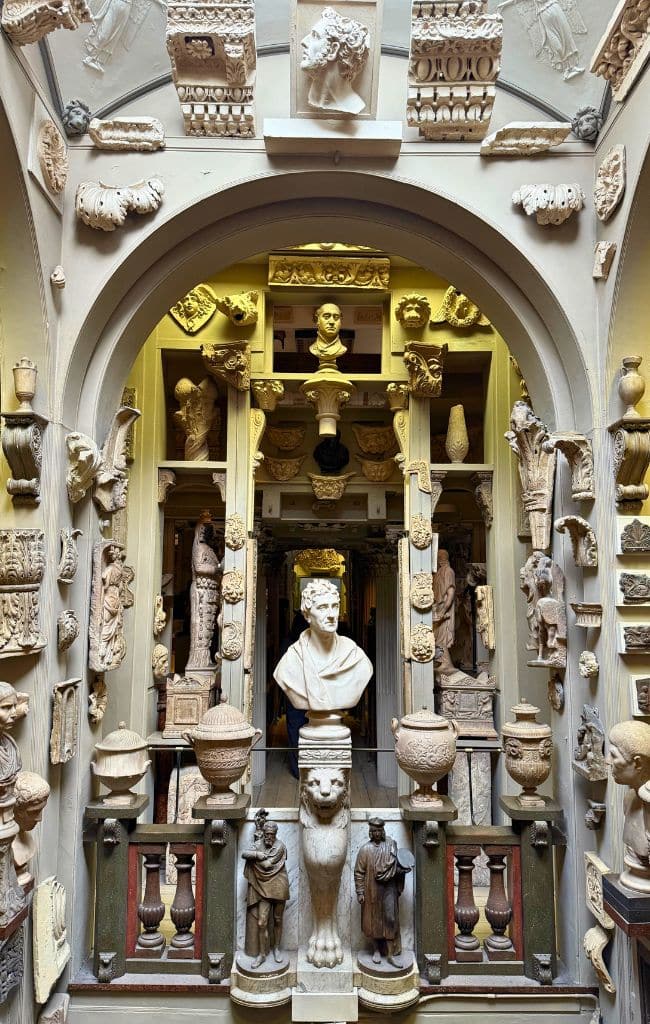
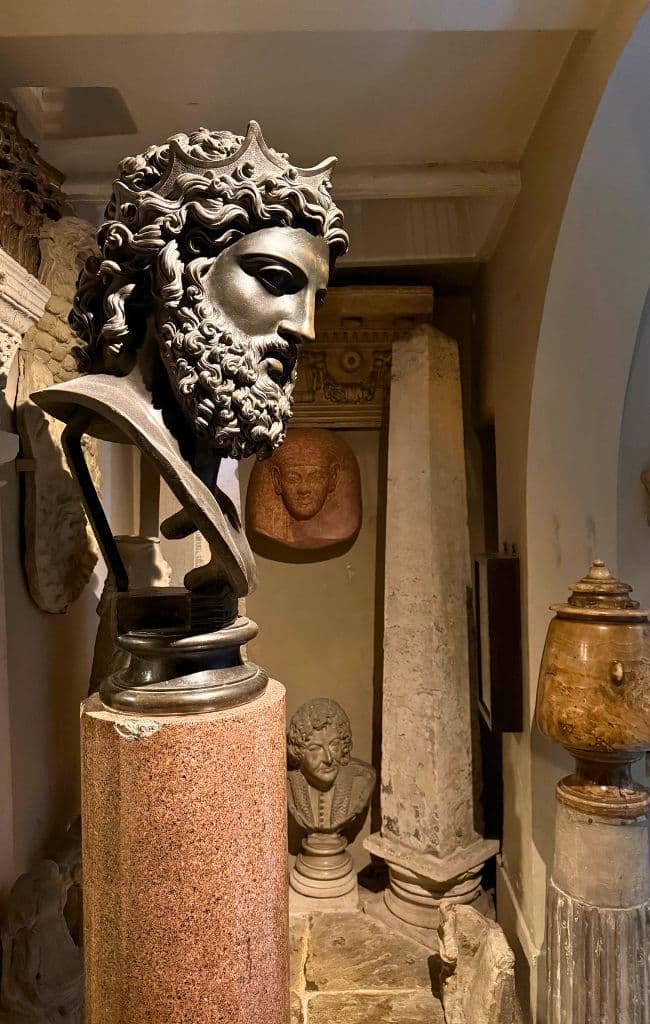
I have only recently discovered the Sir John Soane Museum and it’s quickly become one of my favourites. Housed within the former home of Sir John Soane, the British architect responsible for designing the Holy Trinity Church and the Bank of England among other buildings, is the most extraordinary collection of art, furniture, architectural paintings and models.
Soane was a keen collector and during his lifetime he amassed the most incredible collection, including the perfectly intact – and beautifully preserved – sarcophagus of the Egyptian pharaoh Seti I.
Entrance to the museum is free but if you want to dig a little deeper then it’s worth paying to join a tour that also gives you access to Shane’s private apartments.
Viktor Wynd Museum of Curiosities, Fine Art and Unnatural History
Owned by eccentric collector Viktor Wynd, this is perhaps the most original museum in London, a celebration of the bizarre, the eccentric and the unconventional. It’s wonderfully wacky but also a little creepy in parts so best suited to adults and older teens.
The museum is the spiritual home of the Last Tuesday Society, an eccentric cultural society founded in 1873 and brought to London by the museum’s founder Viktor Wynd and David Piper. The society acted as a platform for events, art exhibitions and surreal parties and eventually they opened the museum – although events and workshops are still held here.
The first floor gallery houses a collection of surreal art alongside The Absinthe Parlour, home to the country’s largest curation of traditional absinthes. Mention the museum to the bartender and you will be pointed in the direction of a spiralling staircase that leads down into the main collection of the Viktor Wynd Museum of Curiosities.
Here you’ll find the most curious of collections, a red glitter suit that once belonged to celebrated dandy Sebastian Horsley, a stuffed two-headed lamb, mermaid skeletons, feathers from extinct birds, mummified fairies, and the gold-plated skull of a hippopotamus that once belonged to drug lord Pablo Escobar.
Creepy? Yes. But also wonderfully quirky.
Handel and Hendrix Museum
This museum, dedicated to musicians Jimi Hendrix and George Frideric Handel, who both lived in London on the same street. Handel lived at 25 Brook Street and Hendrix moved into a flat at number 23 in 1968.
The Handel and Hendrix Museum is spread across both residences and explores the lives of two of London’s greatest musicians.
Occupying four floors, Handel House is where the composer lived from 1723 until his death in 1759. The restored historic rooms include his bedroom, the kitchen and the dining room where Handel rehearsed his musicians and singers.
Occupying the upper floor is Hendrix Flat, where Jimi Hendrix lived from 1968 to 1969. The main room is where he lived, entertained friends and wrote new music.
The Charles Dickens Museum
Discover the life and works of Charles Dickens, widely considered to be the greatest novelist of the Victorian era, in the house where he once lived.
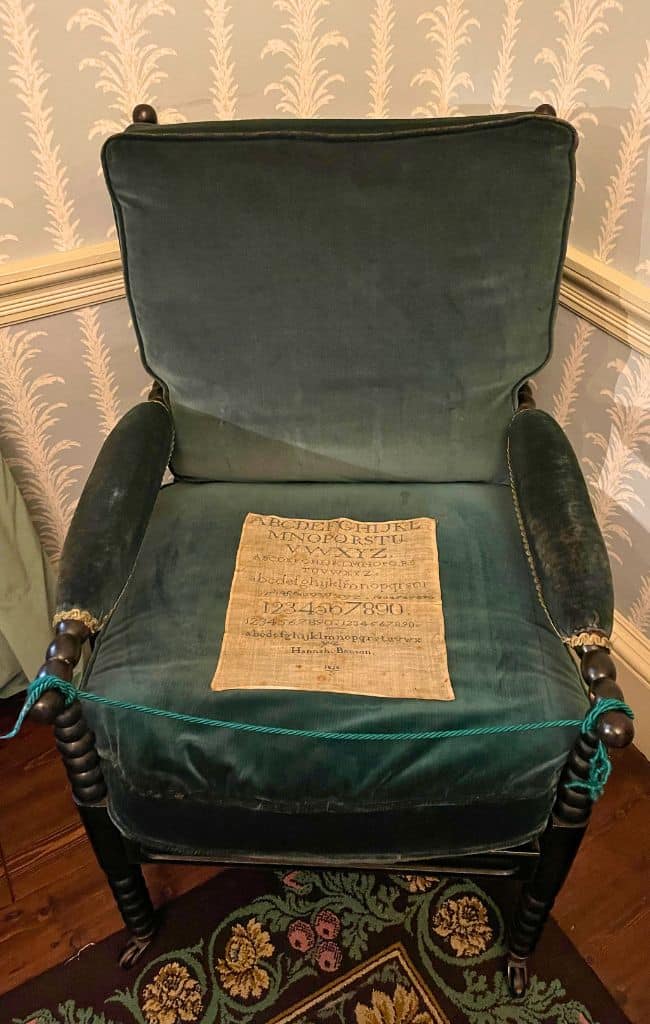
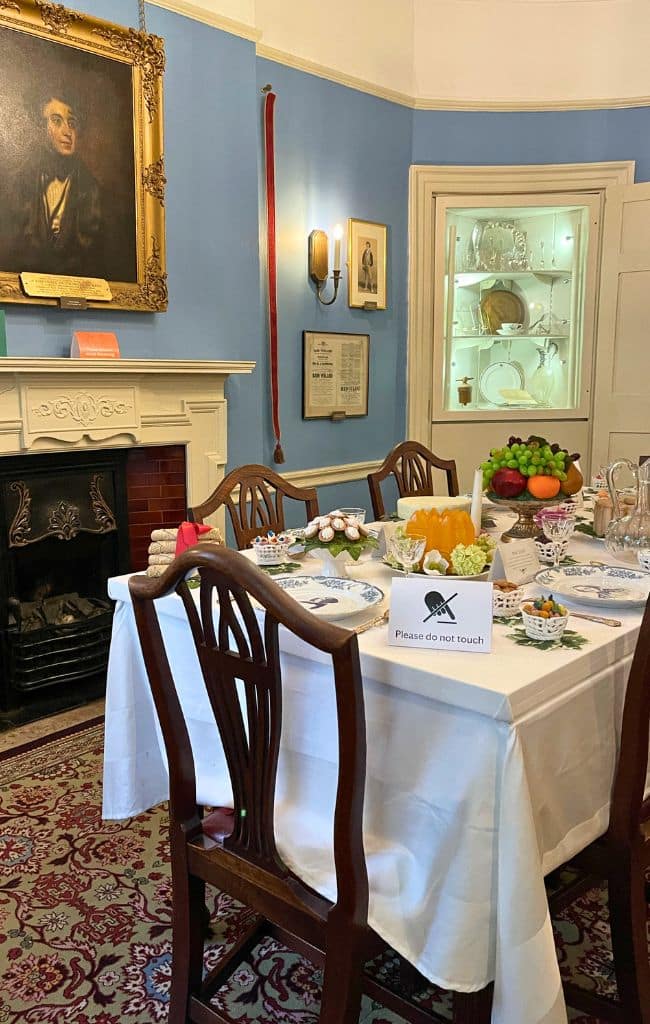
The excellent Charles Dickens Museum is located in four-storey home where the writer lived with his wife Catherine and children, between 1837-1839.
The house has been arranged as if Dickens was still living there and represents a traditional middle-class Victorian home with furnishings, portraits, personal items and decorations that belonged to Dickens.
Also on display are works by Dickens; it was while living here that he finished writing The Pickwick Papers, and wrote Nicholas Nickleby and Oliver Twist. If visiting with kids, there are often family-friendly displays or events, particularly during the school holidays.
Hunterian Museum
One last curious museum for the medically minded is the Hunterian Museum.
Located a quick walk from Holborn tube station, the museum tells the story of medicine from its earliest days right up to modern times. The collection is based largely on the private collection of the 18th-century surgeon and anatomist John Hunter and has been added to over the years.
It was redeveloped fairly recently and the new display is mind-bogglingly good with a huge array of scary looking medical tools to gawk at. Most fascinating are shelves of medical specimens in jars from a two-headed cow to cancer samples.
There are also some really good digital screens to accompany the displays with lots of information, presented in a way that will appeal to visitors of all ages.
Dennis Sever’s House
One of the curious museums in London (if not all of the UK) is the eccentric home of the late Californian Dennis Sever. In 1979 he bought a run-down Georgian house in Spitalfields and set out on a mission to create a living history of London.
Sever invented a fictional family who lived in the house from the late 17th to the 19th centuries and designed rooms that reflected stories of their lives. Each room is filled with objects that are either original period pieces or are items he made himself.
When Severs opened the house to the public he would conduct tours of the property himself until he died in 1999. During lockdown, staff discovered hundreds of cassette tapes of Severs’ tours and today the tours of Dennis Sever’s House are led by an actor using the original tours as a blueprint.

Sherlock Holmes Museum
Not only is the Sherlock Holmes Museum one of the more unusual museums in London, it’s also one of the most popular. No matter when you visit, there is always a queue outside.
Is it worth it?
Fans of Sir Arthur Conan Doyle’s fictional super sleuth will love the chance to look inside the four-storey Georgian townhouse, filled with Victorian furniture and knick knacks as well as items from famous cases solved by Sherlock Holmes and his sidekick Watson.
If you’re not a super fan – and there’s a long line – then you may want to bypass this museum and head elsewhere. Although the museum gift shop is excellent!
Florence Nightingale Museum
One of the best small museums in London is the Florence Nightingale Museum, located within St Thomas’ Hospital, just off Westminster Bridge. The quirky museum opened in 1989 and celebrates the life and work of the world’s most famous nurse.
The museum charts Florence’s life from childhood (when her parents tried to dissuade her from becoming a nurse) to her time in the Crimean war (where she contracted a life-changing illness) and how she campaigned for better healthcare for ordinary people.
On display are personal items belonging to Florence Nightingale, including the actual lamp that earned her the nickname The Lady With The Lamp.
Anaesthesia Heritage Centre
Sticking with medical history, the Anaesthesia Heritage Centre is probably one of the more unusual museums in London. The museum traces the incredible story of anaesthesia from ancient practices to modern day anaesthetists.
There’s a large collection of anaesthetic equipment on display including hand bellow and pipes from 1774, used to pump comatose patients back to life as well as the original 19th-century John Snow chloroform inhaler.
The centre is also home to a large library dedicated to the history of anaesthesia. Events and educational programs are also held throughout the year.
Some photos sourced from Depositphotos.